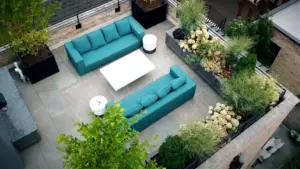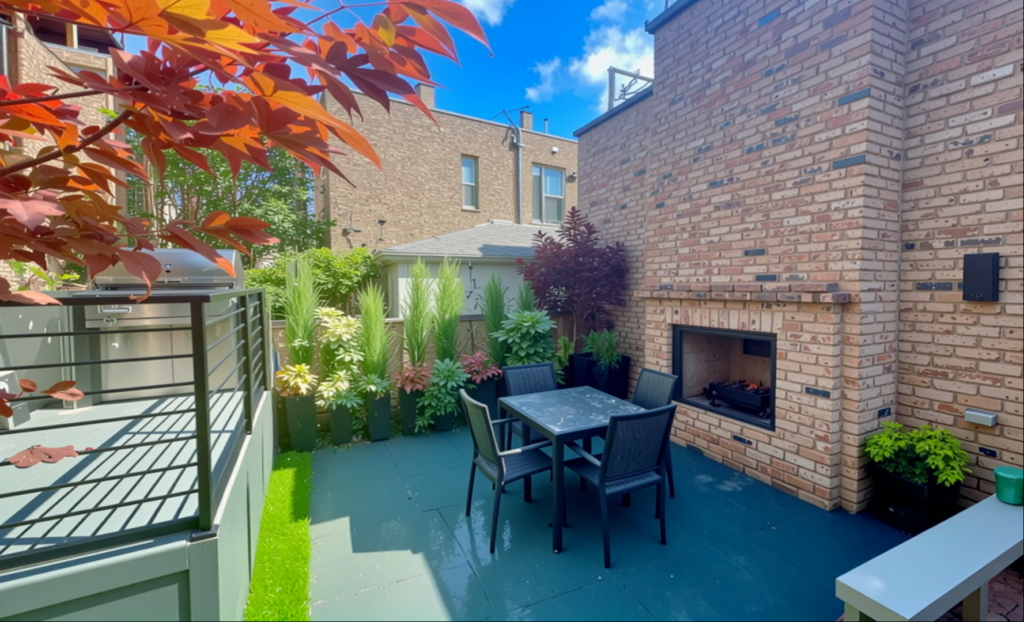
A city backyard can feel like an afterthought until one well-designed change makes the entire property work harder. If you are wondering how to upgrade city backyard space in a way that feels polished, useful, and worthy of your home, the answer is rarely one big feature alone. In dense urban settings, the best results come from a coordinated plan that balances layout, privacy, materials, planting, and year-round function.
For Chicago homeowners, that balance matters even more. Lot lines are tight, neighboring sightlines are close, and every square foot carries real lifestyle value. A successful backyard upgrade should not simply look better from the kitchen window. It should improve how you live outside, how you entertain, and how the space supports the architecture of your home.
How to upgrade city backyard space with purpose
The first step is deciding what the yard needs to do, not just what you want it to look like. In the city, outdoor space often has to serve several roles at once. It may need to accommodate dining, lounging, grilling, children’s play, a dog run, container gardening, and evening entertaining, all within a relatively compact footprint.
That is why layout comes before finishes. A beautiful paver patio can still feel awkward if circulation is tight or seating areas are undersized. The strongest city backyards are organized into clear zones, even when the property is small. A dining area near the house usually makes sense for convenience. A quieter lounge space may fit better farther back, where planting or screens can create separation. If storage is a challenge, built-in benches or custom planters can quietly solve it without adding clutter.
This is also where professional planning changes the outcome. In urban landscapes, inches matter. Grade changes, garage access, utility runs, drainage, and existing masonry all influence what is realistic. Good design is not about fitting in more. It is about making the space feel intentional and easy to use.
Start with the hardscape, not the accessories
When homeowners think about an upgrade, they often picture furniture, string lights, or a fire pit. Those elements can add atmosphere, but the foundation of the space is the hardscape. Patios, walkways, walls, steps, edging, and built-in features establish both the appearance and the long-term durability of the yard.
In a city backyard, material choice deserves careful attention. Natural stone can bring elegance and architectural depth, while high-quality pavers often offer flexibility, consistency, and easier integration with drainage solutions. Concrete has its place too, especially when a more modern, restrained look fits the home. There is no universal best option. It depends on the style of the property, the exposure of the yard, maintenance preferences, and how the space will be used.
Built-in elements are often worth considering earlier than expected. Seat walls, outdoor kitchens, raised planters, and integrated steps create permanence and help a small yard feel custom rather than temporary. They can cost more upfront than movable pieces, but they also reduce visual noise and usually perform better over time.
Privacy is one of the most valuable upgrades
A city backyard can be visually beautiful and still feel exposed. This is one of the most common reasons outdoor spaces go underused. If you never quite feel comfortable because neighboring windows overlook the yard, the design is not fully doing its job.
Privacy should be approached as a layered design solution. Fencing is only one part of it. Depending on the site, you may also need vertical planting, ornamental trees, custom screens, pergola structures, or raised planters that create enclosure without making the yard feel boxed in.
There is a trade-off here. Solid privacy measures can increase comfort, but if they are too heavy or too tall, they can reduce light and make a compact yard feel smaller. The right solution usually blends structure and planting so the space feels sheltered but still open. In Chicago neighborhoods where homes sit close together, this balance is especially important.
Planting should soften the city, not overwhelm it
One of the clearest ways to upgrade a city backyard is with planting that adds depth, movement, and seasonal interest. But urban planting plans should be disciplined. Too many varieties in a small footprint can look busy and require more maintenance than most homeowners want.
A more refined approach uses a focused plant palette with strong repetition. Evergreens provide year-round structure. Flowering perennials and shrubs add seasonal color. Ornamental grasses bring softness and motion. Carefully placed trees can anchor the yard and help with privacy, scale, and shade.
The goal is not to mimic a sprawling suburban garden. It is to create contrast against masonry, fencing, and architecture while keeping the space tailored and manageable. Irrigation can also be a smart inclusion, particularly for clients who travel often or want plantings to stay crisp through the height of summer.
Lighting changes how long you use the space
Many city backyards look finished during the day but disappear completely at night. That is a missed opportunity. Landscape lighting is one of the most effective upgrades because it extends usability, improves safety, and gives the yard a more sophisticated presence from inside and out.
The strongest lighting plans are subtle. Path lights can guide movement without glare. Step lights improve safety. Uplighting on trees or architectural planting adds depth. Under-cap lighting on seat walls and low ambient illumination around dining or lounge areas create comfort without making the yard feel overly commercial.
This is another area where restraint matters. Too much lighting can flatten the space and feel harsh in a compact urban setting. The goal is warmth, not brightness. When done well, lighting gives the backyard a finished, high-end quality that is difficult to achieve any other way.
Make the yard support real city living
If you want to know how to upgrade a city backyard in a way that increases actual daily use, think beyond appearance. The best outdoor spaces support habits and routines. That may mean a grilling station near the kitchen, a covered zone for shade, a built-in banquette for larger gatherings, or durable surfaces that can handle kids, pets, and frequent entertaining.
This is where custom design becomes valuable. A generic patio set in the middle of the yard rarely solves the specific needs of an urban property. A tailored plan can account for how you host, where the sun hits in late afternoon, whether you need storage for cushions, and how to preserve a clear route from the back door to the garage.
For some homeowners, a fire feature makes sense. For others, it becomes an expensive focal point that is used only a few times a year. The same is true for outdoor kitchens, water features, and elaborate structures. Premium upgrades should earn their place. They should reflect your lifestyle, not just current trends.
Consider maintenance from the beginning
A beautifully upgraded backyard should still look exceptional after the first season. That only happens when maintenance is part of the design conversation from the beginning. Materials, planting selections, drainage, irrigation, and construction detailing all influence how much upkeep the space will require.
Low maintenance does not mean minimal design. It means making informed choices. Composite decking may reduce annual upkeep compared with natural wood. Larger planting masses can be easier to manage than intricate mixed beds. Proper drainage prevents headaches that no amount of styling can hide. In a city setting, snow, salt, wind, and freeze-thaw cycles also deserve attention.
This is often where experience shows. A backyard that photographs well at installation is one thing. A backyard that continues to perform beautifully over several Chicago seasons is another.
How to upgrade city backyard value, not just appearance
A strong backyard upgrade should complement the home as a whole. That means aligning the landscape with the property’s architecture, material palette, and level of finish. A sleek contemporary residence calls for a different outdoor language than a classic brick home. When the design feels connected, the result is more elevated and more valuable.
Property value is not only about resale. It is also about how fully the home serves you now. In premium urban neighborhoods, outdoor space has become a meaningful extension of the living environment. Thoughtful hardscaping, tailored planting, privacy design, and integrated lighting all contribute to that sense of completeness.
For homeowners who want a truly cohesive result, a full-service design-build approach can remove much of the friction. Working with one experienced team from concept through construction allows the design vision, technical planning, and installation quality to stay aligned. That is especially important on city properties where constraints are real and details cannot be left to chance. Botanical Concepts Chicago has built its reputation on exactly that kind of personalized, architecturally minded outdoor transformation.
The smartest backyard upgrades are not necessarily the flashiest ones. They are the ones that make you step outside more often, stay out longer, and feel like every square foot of your property was finally given the attention it deserved.