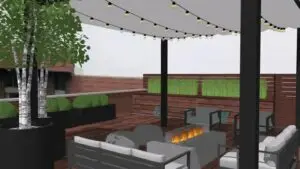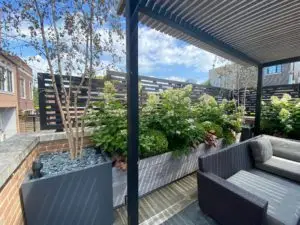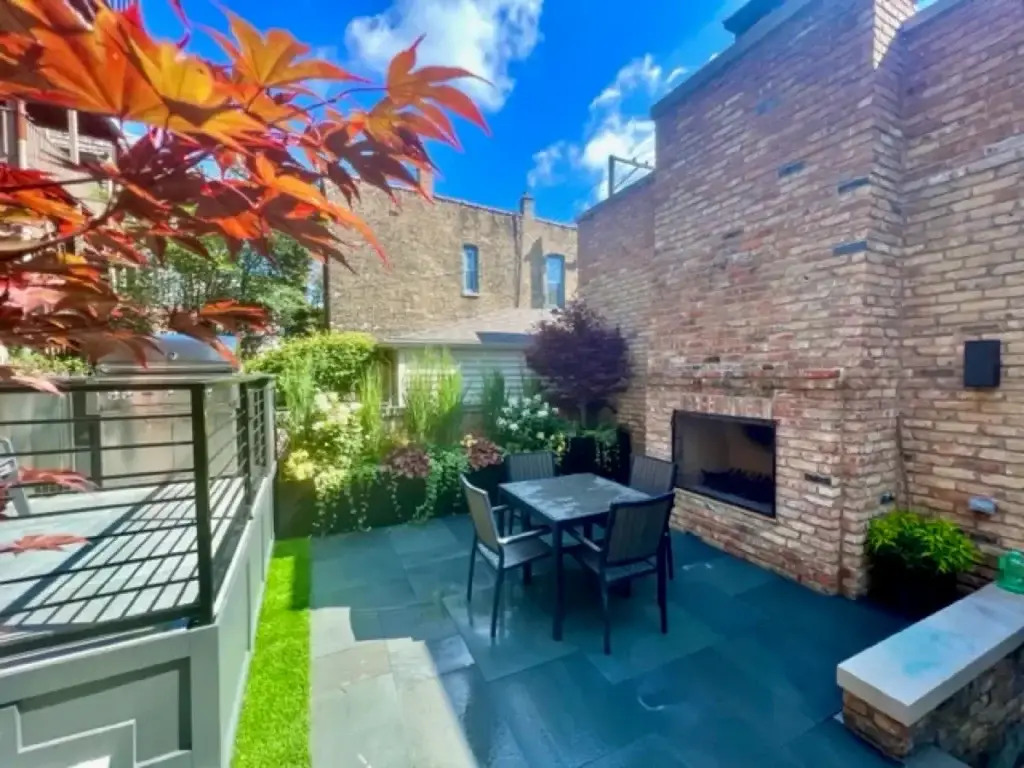
A beautiful outdoor space in Chicago rarely comes down to plants alone. The difference between a rooftop that feels unfinished and one that feels exceptional is often in the hardscape – the structure, materials, layout, and details that give the space purpose. The best modern hardscape design ideas do more than look current. They make tight urban footprints feel larger, create order across multiple levels, and support how people actually live outside.
For city homeowners, that matters. A compact backyard, a raised terrace, or a roof deck has to work hard. It may need to host dinner for eight on Friday, provide quiet coffee space on Sunday, and still feel clean and architectural year-round. That is where modern hardscape design earns its value.
What defines modern hardscape design ideas today?
Modern hardscape design ideas are less about following a trend and more about editing a space with intention. Strong geometry, restrained material palettes, integrated lighting, and multiuse layouts tend to lead the conversation. The look is refined, but the real goal is performance.
In dense urban settings, modern hardscape should also solve practical problems. It needs to account for drainage, weight loads on rooftops, privacy, circulation, and Chicago’s freeze-thaw cycles. A design that photographs well in June but deteriorates by February is not modern in any meaningful sense. Durability is part of the aesthetic.
That is why the strongest projects usually balance clean lines with construction expertise. Materials need to be selected for the climate, and every transition – from paver edge to planter wall to stair tread – needs to feel crisp without becoming fragile.
10 modern hardscape design ideas worth considering
1. Large-format pavers for a quieter, more architectural floor
Large-format porcelain or concrete pavers create visual calm. Fewer joints mean less pattern interruption, which makes a compact patio or roof deck feel more expansive. The effect is especially strong when the paver color stays tonal with the home’s exterior.
There is a trade-off, though. Larger units demand tighter installation tolerances, and on rooftops or elevated structures, the pedestal system and substrate planning matter just as much as the finish material. When done well, the result feels tailored and expensive in the best way.
2. Built-in seating that defines the room
Freestanding furniture can make a small outdoor space feel temporary. Built-in bench seating gives the layout a backbone. It helps organize circulation, frames a dining or lounge area, and often adds hidden storage opportunities.
This approach works particularly well in city yards and roof decks where every square foot matters. The right built-in seating can reduce clutter and make entertaining easier, but proportion is critical. Oversized benches can crowd a narrow footprint, while under-scaled ones look like an afterthought.
3. Integrated planters that soften the geometry
Modern landscapes need contrast. If the hardscape is all lines and planes, integrated planters provide relief without losing the clean architectural language. Raised steel, stone, or masonry planters can create edges, buffer views, and introduce layered planting at eye level.
In an urban environment, this matters for privacy as much as beauty. Planters can screen neighboring buildings, define property edges, and support ornamental grasses, evergreens, or seasonal color where in-ground planting is limited. The detail work matters here too. The planter should feel like part of the design, not an accessory dropped in later.
4. A restrained material palette
One of the most effective modern hardscape design ideas is also one of the simplest: use fewer materials. A controlled palette of stone, porcelain, metal, wood-look surfaces, and architectural planting usually feels stronger than a space trying to showcase everything at once.
That does not mean minimal has to mean cold. Texture can do a lot of heavy lifting. Honed stone, matte porcelain, stained cedar, blackened steel, and soft planting can create warmth without visual noise. The goal is cohesion, not sterility.
5. Outdoor lighting built into the structure
Modern outdoor spaces should read beautifully after dark. Integrated lighting under seat walls, along stairs, within planters, and around key circulation routes adds depth and usability without the clutter of too many visible fixtures.
This is one place where restraint pays off. Too much lighting can flatten a space and feel overly commercial. The best designs layer light selectively, creating atmosphere while still improving safety. On rooftops and urban patios, that quiet evening glow often becomes one of the most valuable parts of the entire project.
6. Multi-level transitions that feel intentional
Chicago properties often come with grade changes, raised entries, garages, rooftop access points, or awkward transitions between indoor and outdoor space. A modern hardscape plan should turn those changes into design features rather than tolerating them as compromises.
Wide steps, floating stair details, seat-height retaining walls, and terraced landings can create rhythm and improve flow. The key is making each transition feel deliberate. When level changes are handled well, the space feels larger, more polished, and easier to use.
7. Fire features with clean lines and a real purpose
A fire element can extend the outdoor season and anchor a seating area, which makes it especially appealing in Chicago. In a modern setting, the strongest fire features are typically linear or geometric, integrated into the larger composition rather than treated as a standalone novelty.
That said, not every space benefits from one. On smaller rooftops, a fire table may compete with dining or circulation needs. On some properties, wind exposure can also limit how enjoyable it is. The right answer depends on how the space will be used most often.
8. Privacy walls and screens that still feel refined
Privacy is one of the biggest drivers of urban outdoor design. The challenge is solving it without closing the space in. Horizontal slat screens, architectural metal panels, green walls, and layered planter strategies can all create enclosure while preserving light and openness.
This is where a custom approach matters. Privacy solutions should align with the home’s architecture and the sightlines from adjacent buildings. A well-designed screen can feel elegant and integrated. A poorly scaled one can make the space feel defensive.
9. Outdoor kitchens designed for the footprint
An outdoor kitchen is often requested, but modern design is not about adding the biggest possible appliance package. It is about fitting the kitchen to the way the client entertains. A compact grill island with streamlined storage and durable countertops may outperform a sprawling setup that overwhelms the terrace.
On rooftops especially, utility coordination, ventilation, access, and weight considerations all shape what is realistic. The best kitchens are efficient, visually quiet, and placed where they support conversation instead of interrupting it.
10. Hardscape that connects to planting instead of competing with it
The most memorable outdoor spaces never feel split between hardscape and landscape. The paving, walls, steps, containers, and planting should read as one composition. Modern design becomes more compelling when clean structural elements are balanced by movement, softness, and seasonal change.
That balance is especially important in four-season climates. Evergreens, ornamental grasses, and structured perennials can keep a hardscape-driven space from feeling bare in colder months. In summer, layered planting can make even the most architectural terrace feel livable and welcoming.
How to choose the right modern hardscape design ideas for your property
The right design direction depends on more than style preferences. Start with how you want the space to function. If dining is the priority, circulation around the table matters more than adding extra built-ins. If lounging and evening use are the goal, lighting, privacy, and fire features may deserve more of the budget.
Site conditions matter just as much. A rooftop has very different requirements than a grade-level patio. Exposure, views, structural limits, access for construction, and maintenance expectations all shape the final design. What looks clean on a mood board may not be the best answer once real-world constraints enter the picture.
Budget should also be part of the design conversation early. Premium materials and custom fabrication create beautiful results, but there are smart ways to prioritize. Sometimes investing in fewer, better elements produces a stronger outcome than spreading resources across too many features.
For homeowners who want a polished result, the process matters as much as the materials. Detailed planning, clear renderings, and experienced construction oversight are what keep modern spaces from looking generic. That is especially true in Chicago, where urban conditions demand precision. At Botanical Concepts Chicago, we see the best outcomes when design and build decisions are working together from the start.
A modern hardscape should feel calm, intentional, and built for the way you live. If a space can do that while standing up to the city, the seasons, and years of daily use, it is not just current. It is lasting.