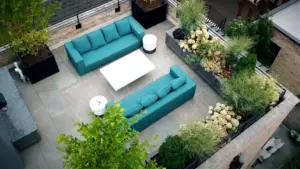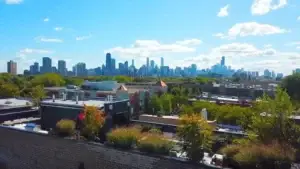
A roof deck can look polished on installation day and struggle by midsummer if watering was treated as an afterthought. That is why rooftop irrigation system design matters so much in Chicago. On a rooftop, sun exposure is harsher, wind dries containers faster, access is more limited, and mistakes are harder to correct once finishes, planters, lighting, and furnishings are in place.
For high-value urban outdoor spaces, irrigation is not just a utility line hidden behind plantings. It is part of the design architecture. A well-planned system protects plant health, supports the visual balance of the space, and reduces the day-to-day maintenance burden for homeowners who want a beautiful rooftop without constant guesswork.
What makes rooftop irrigation system design different
Rooftops do not behave like ground-level gardens. Soil volumes are smaller, which means they dry out faster. Wind exposure can be extreme, especially on taller buildings or in open neighborhoods where air moves freely across the roofline. Heat reflects off pavers, walls, metal railings, and glass, creating microclimates that stress plants even when the rest of the city feels mild.
Then there is the construction side. A rooftop system has to respect structural limits, waterproofing assemblies, drainage paths, access points, and the practical realities of working in a dense urban setting. Irrigation lines cannot simply go wherever there is open space. They need to be routed cleanly, concealed where appropriate, and coordinated with planters, decking, lighting, kitchens, shade structures, and furniture layouts.
This is where experience matters. On a luxury rooftop, irrigation has to perform well and disappear into the overall composition.
Start with the planting plan, not the tubing
The most successful irrigation systems begin with the planting design. Different containers, exposures, and plant palettes demand different water volumes and schedules. A row of narrow flower boxes against a sunny parapet wall will not need the same watering strategy as a large mixed planter near a shaded seating area.
That sounds obvious, but it is often where problems start. If every planter is grouped onto one irrigation zone for convenience, some plants are almost guaranteed to get too much water while others get too little. Over time, that creates uneven growth, weak roots, and unnecessary plant replacement.
A thoughtful design-build process looks at planter depth, soil composition, sun exposure, species selection, and intended appearance before selecting emitters or setting run times. This is especially important on architecturally driven rooftops where containers are often custom fabricated and visual consistency matters. Plants that are expected to stay crisp and structured need more precise irrigation than casual, forgiving plantings.
Zoning is where performance lives
In rooftop irrigation system design, zoning is one of the most important decisions. Separate zones allow the system to respond to real conditions rather than treating the entire roof as one uniform garden.
A rooftop may need one zone for perennial planters, another for annual color, another for larger screening containers, and still another for flower boxes that dry quickly. Seasonal containers near entertaining spaces often need closer attention because they are planted for impact and can decline fast when watering is inconsistent.
Good zoning also supports long-term adjustments. As plants mature, sun patterns shift, or seasonal displays change, individual zones can be fine-tuned without disrupting the entire roof.
Drip irrigation usually makes the most sense
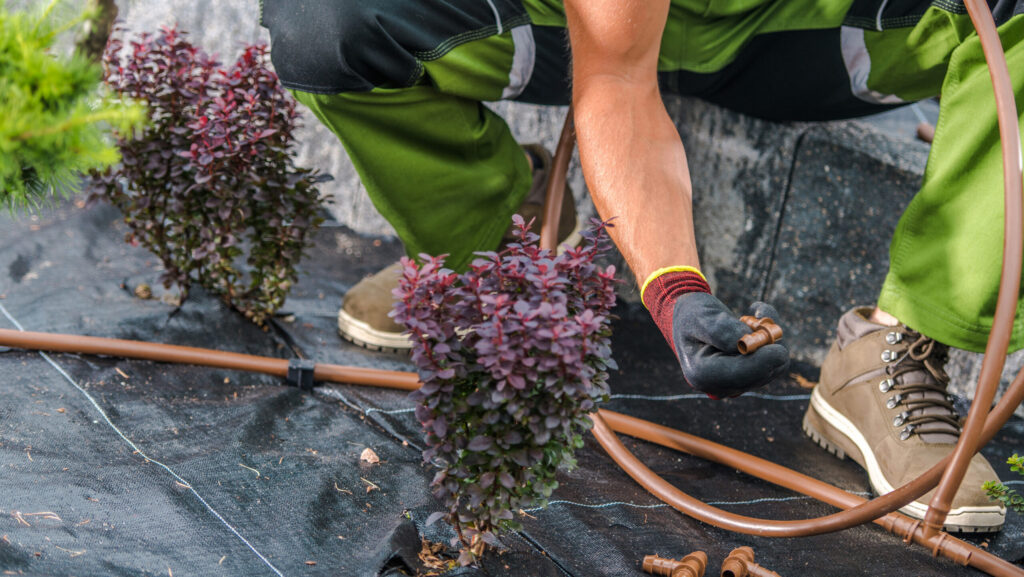
For most rooftop applications, drip irrigation is the preferred approach. It delivers water directly to the root zone, minimizes overspray, and helps avoid waste on hardscape surfaces. On a rooftop, that matters. Water on decking, stone, or furniture is not just inefficient. It can create mess, staining, slippery surfaces, and avoidable wear.
Drip systems also allow for precision in container gardens, where root zones are confined and watering needs can vary dramatically from one planter to the next. Pressure-compensating emitters are often valuable because they help maintain consistent output even when planters are spread across different elevations or line lengths.
That said, drip is not automatically simple. Poor emitter placement, insufficient filtration, weak pressure regulation, or inaccessible valves can turn a good concept into a maintenance headache. Rooftop systems need to be designed for reliability and serviceability, not just initial installation.
Water source, pressure, and access all affect design
One of the first technical questions is where the system will get its water and how that water will be managed. Available pressure, backflow requirements, shutoff access, winterization needs, and routing from the source to the roof all influence the final design.
In a city property, especially one with multiple levels or a finished penthouse structure, these details are not minor. They affect cost, coordination, and how neatly the system integrates into the architecture. If access is difficult, maintenance becomes more expensive and less likely to happen on schedule.
A boutique outdoor project benefits from early coordination between landscape design, construction planning, and irrigation layout. That helps avoid awkward exposed lines, disruptive retrofits, and utility conflicts after the rooftop is already built out.
Drainage and irrigation should be planned together
Watering more efficiently does not solve a bad drainage plan. In fact, one of the biggest misconceptions about rooftop planting is that irrigation and drainage are separate issues. They are closely connected.
Each planter needs the right internal drainage profile, and the roof itself needs to move excess water away properly without compromising the waterproofing system. If a planter stays saturated because drainage is poor, even a carefully controlled drip system will not keep plants healthy. On the other hand, if the planting medium drains too aggressively and the container is shallow, irrigation frequency may need to increase significantly during hot periods.
This is where rooftop design becomes highly specific. The right answer depends on planter construction, growing media, plant selection, wind exposure, and the performance expectations of the client. A low-maintenance evergreen screen has different tolerances than a lush seasonal container designed to anchor an outdoor dining space.
Smart controls are useful, but they are not magic
Many homeowners ask for smart irrigation controls, and often they are a worthwhile addition. Remote access, scheduling flexibility, and weather-based adjustments can improve efficiency and reduce waste. For clients who travel frequently or split time between properties, that convenience is especially helpful.
Still, smart controls do not replace good design. If zones are poorly planned or emitters are wrong for the application, app-based control will not fix the underlying problem. Technology should support the system, not carry it.
The best rooftop irrigation setups combine intelligent controls with careful calibration. That means seasonal adjustments, occasional system checks, and a realistic understanding that rooftop gardens respond quickly to weather swings. A hot, windy week in July can change water demand far more than a generic controller setting might suggest.
Design for maintenance from day one
Beautiful rooftop environments should not require constant intervention, but every irrigation system needs some level of ongoing care. Filters need inspection. Emitters can clog. Seasonal adjustments are necessary. Winterization in Chicago is non-negotiable.
That is why access matters. Valves, control components, and key connection points should be placed where service can happen without dismantling the deck or disturbing finished areas. Clean routing, clear organization, and professional installation make a real difference over time.
For premium residential projects, maintenance planning is part of the luxury experience. Homeowners want to enjoy their rooftop, not troubleshoot it. When irrigation has been considered early and executed well, the entire landscape feels easier to own.
Why custom rooftop irrigation system design protects the investment
A rooftop garden is a substantial investment in lifestyle, aesthetics, and property value. Custom planters, mature screening, specialty lighting, outdoor kitchens, and refined hardscape materials all rely on healthy, consistent planting to feel complete. When irrigation is undersized, poorly zoned, or treated as an add-on, the whole composition can lose its edge.
Custom rooftop irrigation system design protects that investment because it responds to the real conditions of the space. It accounts for wind, heat, exposure, drainage, planter size, and how the roof is actually used. It also supports the design intent, whether the goal is crisp modern structure, layered seasonal color, private screening, or a softer garden feel above the city.
For Chicago homeowners who want a rooftop that looks exceptional beyond the first season, irrigation deserves the same level of thought as the layout, materials, and planting design. At Botanical Concepts Chicago, that kind of coordination is part of what turns a rooftop into a lasting outdoor living environment.
If you are planning a rooftop project, think of irrigation as quiet infrastructure with visible results. When it is designed well, the space feels healthier, sharper, and easier to enjoy year after year.