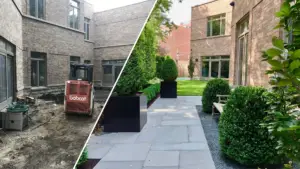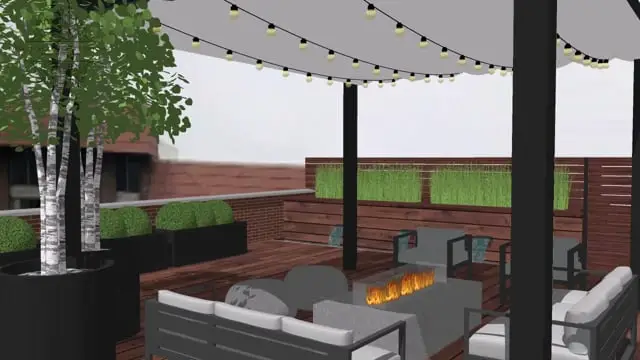
A great roof deck transformation example is rarely about adding nicer furniture and a few planters. In Chicago, the real change happens when an underused rooftop becomes a fully resolved outdoor room – one that handles wind, sun, drainage, privacy, circulation, and the way people actually live.
That distinction matters, especially in the city. A roof deck may be one of the most valuable square feet on the property, but it is also one of the most technically demanding. The projects that feel effortless when complete are usually the result of disciplined planning, detailed design, and construction experience that accounts for urban conditions from the start.
A roof deck transformation example starts with how the space is used
The most successful rooftop projects begin with a simple but revealing question: what should this space do every week, not just on special occasions? For one Chicago homeowner, the answer was clear. They wanted outdoor dining for six to eight people, a lounge area that felt private despite surrounding buildings, softer greenery to balance the hard city views, and lighting that made the deck usable after work without making it feel overly bright.
The existing roof deck had square footage, but not much purpose. Furniture was pushed to the perimeter, circulation was awkward, and there was no visual structure. On paper, it looked large enough. In practice, it felt exposed and fragmented. That is a common rooftop problem. When everything is visible at once and no area has definition, the space tends to read smaller, not larger.
The transformation started with zoning. Instead of treating the deck as one open platform, the design divided it into connected experiences: a dining zone near the door for convenience, a lounge area oriented toward the best view, and planting along key edges to create screening without closing the deck in. This kind of planning changes how a rooftop feels immediately. It gives the eye places to rest and gives people a reason to move through the space naturally.
What changed in this roof deck transformation example
The physical changes were substantial, but the value came from how each decision supported the whole. Custom planters were used not only for greenery but also for edge definition and privacy. On an urban rooftop, planting has to do more than look beautiful. It often needs to buffer neighboring sightlines, soften railings, reduce visual exposure, and introduce seasonal interest in a space dominated by masonry and skyline.
Material selection also did a great deal of work. Rooftops demand finishes that can tolerate freeze-thaw cycles, direct sun, wind exposure, and foot traffic while still looking refined. The goal is not simply durability. It is durability without sacrificing design quality. In this case, a cleaner, more architectural palette made the deck feel calmer and more substantial. The space stopped reading as a collection of outdoor pieces and began to function as an extension of the home.
Lighting was another turning point. Many roof decks are either underlit or rely on lighting that feels harsh once the sun goes down. A better approach is layered lighting that supports movement, highlights planting, and creates atmosphere around seating and dining. Done well, lighting extends the useful hours of the deck and gives it presence from inside the home as well. That matters more than homeowners often expect. A rooftop should not disappear at dusk.
The furniture plan was handled with the same discipline. Scale is where many rooftop projects go wrong. Pieces that seem right in a showroom can overwhelm circulation or leave too little flexibility once installed. In this example, furniture was selected and placed as part of the design process rather than as a final shopping step. That allowed the overall plan to remain balanced and ensured there was enough room to move comfortably between zones.
The hidden layer: construction coordination
This is the part homeowners do not always see at first, but it often determines whether a roof deck feels polished or problematic over time. Rooftop projects involve constraints that grade-level landscapes do not. Access can be difficult. Weight matters. Drainage matters. Waterproofing details matter. Wind exposure changes how planters, screens, and furnishings perform. Even irrigation requires a different level of planning.
A strong design-build process addresses those realities early, not after design decisions are already fixed. That means coordinating layout, construction methods, planting strategy, and utility needs as one system. It also means making practical decisions that preserve the design intent instead of forcing last-minute compromises in the field.
For urban homeowners, this integrated approach is often the difference between a deck that photographs well and one that lives well. The best results are not accidental. They come from anticipating rooftop conditions before installation begins.
Why Chicago roof decks need a more tailored approach
Chicago is not a forgiving environment for generic rooftop design. The weather shifts quickly. Wind can be stronger than expected, especially on exposed structures. Summer heat reflects off surrounding surfaces, while winter puts stress on every material in place. Privacy can also be complex, with adjacent buildings overlooking the deck from multiple angles.
That is why a Chicago roof deck transformation example is less about decorating and more about problem-solving with style. A beautiful result still has to earn its keep. Plant material must be selected for rooftop conditions, not just appearance. Layout must consider how guests move from interior rooms to exterior zones. Shade, screening, lighting, and furnishings all need to work together rather than compete for space.
There is also the architectural context to consider. Rooftops in the city are rarely blank canvases. Access points, stair bulkheads, parapet walls, utility elements, and neighboring sightlines all influence what is possible. Experienced rooftop designers know how to work with those realities so the finished deck feels intentional rather than constrained by the building.
Design decisions that improve daily life
The strongest rooftop projects tend to improve ordinary routines, not just special events. A well-placed dining area makes weeknight meals outside easier. Comfortable lounge seating creates a place to decompress at the end of the day. Privacy planting can make a rooftop feel surprisingly calm in a dense urban setting. Even details like integrated lighting and irrigation reduce the amount of effort required to keep the space looking and functioning well.
That is one reason affluent homeowners increasingly treat roof decks as core living space rather than bonus space. When designed properly, a rooftop becomes part of the home’s rhythm. It supports entertaining, but it also supports quiet mornings, family dinners, and time outside without the logistics of leaving the property.
In a premium urban home, that shift has real value. It improves lifestyle immediately and often strengthens the property’s overall appeal. Buyers understand the difference between a roof deck that exists and one that has been thoughtfully transformed.
When a roof deck transformation example should stay simple
Not every project needs every feature. Some rooftops benefit from restrained solutions, especially if the architecture is already strong or the client prefers a cleaner, more minimal aesthetic. There are also cases where too many elements can make the deck feel crowded. Privacy screens, overhead structures, large planters, and multiple seating groups all have value, but not on every roof.
This is where experience matters. Good design is not adding everything available. It is understanding what the space needs and what it can comfortably support. Sometimes a quieter planting plan and fewer, better materials create the strongest outcome. Sometimes the right move is to invest more heavily in layout and construction quality rather than decorative extras.
For homeowners considering a rooftop renovation, that is an encouraging reality. A sophisticated result does not depend on excess. It depends on clarity, proportion, and careful execution.
A thoughtful roof deck transformation example shows what is possible when design and construction are treated as one process. The rooftop begins as exposed square footage and ends as something much more valuable – a private, architectural outdoor environment shaped for the way you actually live in the city. If your deck has potential but not yet a clear purpose, that is usually the first sign it is ready for a more deliberate vision.
Ready to start designing your roof deck? See our roof deck design service page for more details.