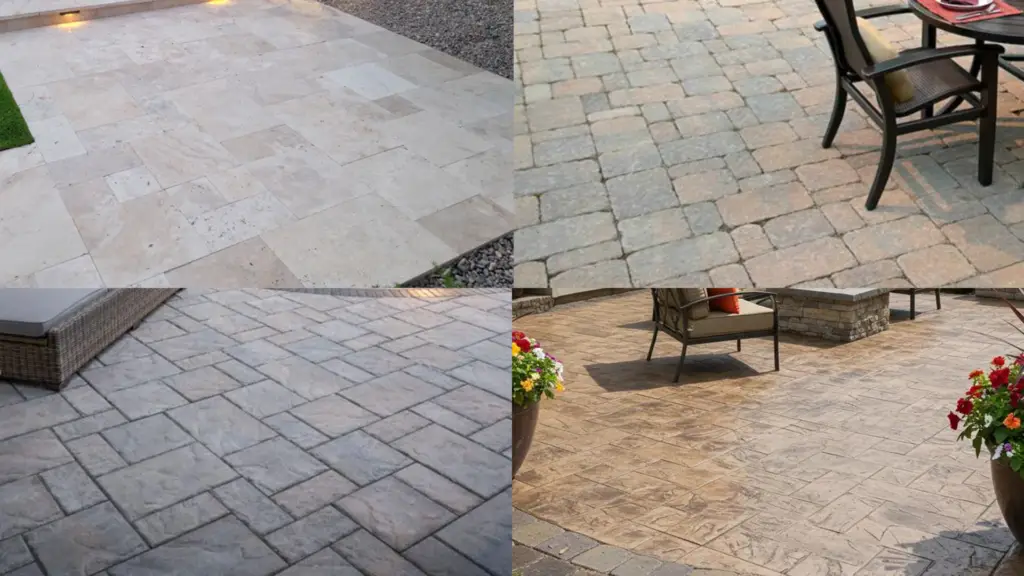
A patio can look beautiful on day one and still be the wrong choice for the way you actually live. We see this often in Chicago – a surface selected for color alone, then asked to handle freeze-thaw cycles, grill traffic, furniture movement, drainage issues, and the visual pressure of being a major feature in a compact urban yard or roof deck. If you are wondering how to choose patio materials, the right answer starts with performance just as much as appearance.
The best patio material is rarely the one with the trendiest finish. It is the one that fits the architecture of your home, the scale of your outdoor space, the way you plan to use it, and the realities of long-term maintenance. In a boutique, design-forward project, material selection is not a finishing touch. It is foundational.
How to choose patio materials for real-life use
Before comparing stone, pavers, porcelain, or concrete, start with function. A patio designed for large-scale entertaining has different demands than a quiet morning coffee space. A grade-level backyard patio behaves differently than a rooftop installation, where weight, drainage, and access matter far more.
Think about how the space will be used on an ordinary week, not just during special occasions. Will you need room for a dining table and chair pullback? Will children be running across it? Will planters, outdoor kitchens, or fire features sit on top of it? If the patio connects to interior living areas, the finish should also support that visual transition instead of fighting it.
In Chicago, climate belongs in this first conversation. Materials must tolerate seasonal temperature swings, snow, moisture, and repeated freeze-thaw exposure. A material that performs beautifully in a mild climate can become a maintenance issue here if it is installed in the wrong setting or over the wrong base.
Start with the architectural style of the property
Patio materials should feel intentional, not interchangeable. On a classic brick Chicago home, a warm-toned clay paver or natural stone may feel more grounded than a sleek, oversized slab. On a newer residence with minimalist detailing, large-format porcelain or clean-lined concrete pavers may create the stronger visual language.
This is where many projects either gain sophistication or lose it. The patio should not read like an isolated purchase. It should relate to the masonry, trim, window lines, and overall proportion of the home. Even the joint pattern and edge detailing can affect whether the result feels custom or generic.
For urban properties, scale matters even more. In a smaller city yard, an oversized pattern can overwhelm the footprint, while a busy small-unit paver can make the space feel visually crowded. The right material is not just attractive on its own. It supports balance.
Comparing the most common patio material options
Concrete pavers
Concrete pavers are one of the most versatile choices for Chicago patios. They come in a wide range of sizes, finishes, and tones, which makes them useful for both traditional and contemporary designs. They also offer reliable durability when properly installed over a well-built base.
Their biggest advantage is flexibility. Individual units can handle minor movement better than a single concrete slab, and if one area is damaged, repairs are usually more straightforward. For clients who want a refined look with good long-term practicality, premium concrete pavers are often a strong option.
The trade-off is that not all pavers are created equal. Lower-end products can fade, wear unevenly, or look less sophisticated over time. The quality of installation matters just as much as the material itself.
Natural stone
Natural stone brings character that manufactured materials often cannot fully replicate. Bluestone, limestone, and travertine each create a distinct visual effect, and the natural variation can make a patio feel established and architectural from the start.
For high-end residential spaces, stone can be an exceptional choice, especially when the home and landscape design call for richness and texture. It tends to photograph beautifully and age with elegance when selected carefully.
But stone requires nuance. Some types are more porous than others, some can become slippery, and some weather differently in Chicago conditions. Cost is also typically higher, both for material and installation. Natural stone is often worth it, but it should be chosen with a clear understanding of maintenance and climate performance.
Poured concrete
Poured concrete appeals to homeowners who want a clean surface and a potentially lower initial price point. It can be shaped, tinted, textured, and scored for a more custom appearance.
That said, in freeze-thaw climates, concrete slabs can crack. That does not mean concrete is always a poor choice, but it does mean expectations need to be realistic. If a seamless, monolithic look is the priority, concrete may fit the design intent. If repair flexibility and long-term resilience are more important, unit-based systems often offer advantages.
Porcelain pavers
Porcelain has become increasingly popular in upscale outdoor design because it offers a crisp, contemporary look and strong resistance to staining, fading, and moisture absorption. It can mimic natural stone or concrete while delivering a more controlled finish.
For rooftops and modern urban spaces, porcelain can be especially compelling. It feels polished and architectural, and in many applications it supports a refined indoor-outdoor aesthetic.
The key caveat is proper specification and installation. Outdoor-rated porcelain must be selected, and substrate conditions must be handled with precision. This is not a material where shortcuts tend to end well.
Brick
Brick patios carry timeless appeal, especially in older Chicago neighborhoods where they can echo the architecture of the home. They bring warmth, texture, and a sense of permanence that many homeowners love.
Brick works especially well when the goal is charm and continuity. However, it may not suit every design direction, and depending on the product and pattern, it can feel either beautifully classic or a bit too busy. As with all materials, context matters.
How maintenance should influence your decision
A patio is not just something you install. It is something you live with. That includes cleaning, sealing when appropriate, seasonal care, and the visual wear that comes from furniture, plant containers, pets, and everyday use.
If you want a lower-maintenance surface, porcelain and certain concrete pavers may be more appealing than highly porous stone. If you love the authenticity of natural materials and do not mind a bit of patina, natural stone may still be the better fit. Neither approach is wrong. The important thing is choosing honestly.
This is also where lifestyle matters. Busy homeowners often want materials that retain a polished look without constant upkeep. In a custom design-build process, that preference should guide the selection early, rather than becoming a frustration later.
Drainage, heat, and comfort matter more than most people expect
When homeowners think about how to choose patio materials, they often focus first on appearance. Comfort tends to become a priority only after installation. Yet surface temperature, texture underfoot, and drainage performance can shape whether the patio feels inviting.
Some darker materials absorb more heat in full sun. Some textured finishes are more forgiving when wet. Some systems allow water to move more effectively than others, which is especially important in dense urban settings where grading options may be limited.
This is one reason custom planning matters. A material that looks stunning in a sample can behave very differently across a full patio exposed to afternoon sun or adjacent to planter beds and drainage runs. Good design accounts for those realities before construction begins.
Budget should be considered over the full life of the patio
Initial cost matters, but the least expensive material up front is not always the most economical choice over time. Repairs, maintenance, replacement intervals, and visual aging all affect value.
Premium materials often make sense when the patio is a central part of the property and an extension of the home’s living experience. In higher-value urban homes, the patio should support the overall caliber of the property, not feel like a compromise attached to it.
That does not mean every project needs the most expensive finish. It means the budget should be aligned with the role the patio plays. In many cases, a thoughtfully selected mid-to-high-range material installed exceptionally well will outperform a more expensive material used without the same planning discipline.
The installation is as important as the material
Even the best patio materials can fail if base preparation, drainage design, edge restraint, or detailing are handled poorly. This is particularly true in Chicago, where weather exposes every shortcut.
Material selection should happen alongside a clear plan for the conditions on site. Is this a rooftop, a compact backyard, or a multi-level outdoor environment with stairs, walls, lighting, and planting integrated into the hardscape? Those factors affect what should be specified and how it should be built.
At Botanical Concepts Chicago, that design-build coordination is often what protects the finished result. The material is only one part of the outcome. The craftsmanship behind it is what allows it to age well.
The right patio material should make your outdoor space feel inevitable, as if it always belonged there. When the choice reflects your architecture, your lifestyle, and the realities of Chicago living, the patio does more than hold furniture – it becomes one of the most valuable and enjoyable parts of the property.