A well-built patio changes how a Chicago home lives. It creates room to host, unwind, dine outside, and make better use of every square foot. For homeowners considering patio installation Chicago projects, the real question is not whether a patio adds value – it is what kind of patio will work beautifully on your property, hold up to the climate, and feel integrated with the architecture of your home.
In Chicago, patio construction is never just about laying pavers. Dense urban lots, drainage constraints, freeze-thaw cycles, elevation changes, and neighboring structures all affect the outcome. The most successful patios are designed with those realities in mind from the beginning, not treated as afterthoughts once the layout is chosen.
What makes patio installation in Chicago different
Chicago properties demand precision. A suburban-style approach does not always translate well to city lots where space is limited, access is tight, and every design decision matters visually. On many properties, the patio has to do more than provide a place for chairs and a grill. It may need to define zones for dining and lounging, connect cleanly to stairs or a garage, soften masonry-heavy surroundings, and create privacy without making the yard feel smaller.
Then there is weather. A patio in this market must perform through hot summers, heavy rain, winter snow, and constant seasonal movement. That affects everything from base preparation to material choice to jointing methods. If those details are rushed, the surface may settle unevenly, edges may shift, and drainage problems can show up quickly.
This is why experienced design-build planning matters. A patio should feel effortless when complete, but the work behind it is technical. Proper grading, excavation depth, base compaction, and material compatibility all shape how the finished space looks in year one and year ten.
Patio installation Chicago design starts with the site
No two urban properties are the same. One home may need a compact entertaining patio that preserves planting space. Another may require a larger hardscape that ties into a multi-level yard, outdoor kitchen, lighting plan, and drainage strategy. On rooftops and raised terraces, structural and material considerations become even more specific.
A thoughtful design process begins by studying how the space is used and how the property behaves. Where does water move during a storm? Which sightlines should be emphasized or screened? How will people circulate from the house to the patio and through the yard? Those are the questions that separate a patio that merely fills space from one that feels custom to the home.
For higher-end properties, proportion matters as much as materials. A patio that is too small will feel impractical. One that is oversized can overwhelm the landscape and leave the yard feeling hard and flat. The best designs strike a balance between usable square footage, planting areas, and architectural rhythm.
Choosing the right patio material
Material selection is where aesthetics and performance meet. In Chicago, the right answer depends on the style of the home, the scale of the space, and how the patio will be used.
Concrete pavers remain a popular option because they offer versatility, clean lines, and strong performance when installed correctly. They work well for contemporary homes, transitional spaces, and projects where a refined layout is important. Natural stone offers a more organic, elevated character and can be exceptional in the right setting, especially when the goal is a timeless outdoor environment with more texture and visual depth.
Brick can be beautiful on classic Chicago properties, but it is not ideal for every application. It tends to feel most successful when it complements the home’s architecture rather than competing with it. Porcelain pavers are increasingly requested for modern outdoor spaces because of their crisp appearance and low-maintenance appeal, though they require an installation approach suited to the site conditions.
There is always a trade-off. Some materials offer a softer, more natural look but require more careful detailing. Others are highly durable and low maintenance but can feel too standardized if the design is not tailored. The goal is not simply to choose a premium material. It is to choose the material that suits the property and supports the long-term vision.
Construction quality matters more than most homeowners realize
From the surface, two patios may look similar on completion day. What distinguishes them is usually below grade. Excavation, base preparation, edge restraint, compaction, and drainage work are what determine whether a patio remains level and attractive over time.
This is especially important in Chicago, where winter movement can expose weak construction quickly. If water is not directed properly, or if the sub-base is insufficient, the patio can begin to shift. Repairs are frustrating because they often involve undoing work that should have been handled correctly from the start.
A boutique design-build firm approaches this differently than a volume contractor. The emphasis is not on installing as many patios as possible. It is on creating a finished outdoor environment where design intent and construction discipline support each other. That often means more planning upfront, clearer communication, and tighter oversight during execution.
Patios should feel connected, not isolated
One of the most common mistakes in patio installation Chicago homeowners encounter is treating the patio like a separate object in the yard. The result can feel disconnected – a rectangle of hardscape with furniture on it, rather than a complete outdoor living space.
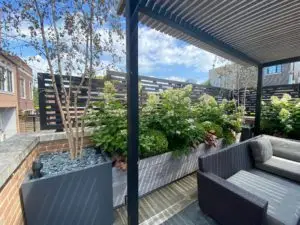
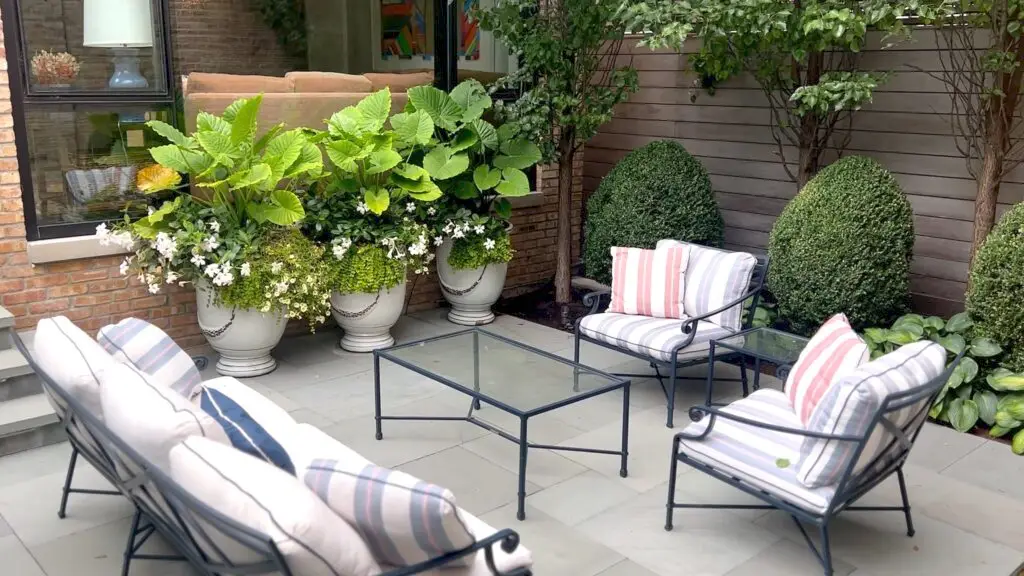
A stronger approach considers the patio as one element within a larger composition. Planting softens edges and adds seasonal interest. Landscape lighting extends usability into the evening and highlights architectural features. Seat walls, planters, pergolas, and privacy screening can make the space feel more defined and more comfortable without overcrowding it.
For urban homes, this integrated thinking is often where the transformation really happens. Even a modest footprint can feel sophisticated and expansive when the materials, circulation, lighting, and planting work together. That level of cohesion is hard to achieve when design and construction are separated across multiple vendors.
What to expect from a full-service process
For busy homeowners, the appeal of a full-service patio project is not just convenience. It is consistency. When one experienced team manages design, planning, material selection, construction, and finishing details, the final result is usually more polished because each stage is informed by the one before it.
The process often begins with a consultation and site evaluation, followed by concept development and layout planning. On more custom projects, visual tools such as renderings help clarify scale, materials, and how the patio will relate to the surrounding landscape. That step can be especially valuable on properties where every inch matters.
From there, construction should follow a defined plan with attention to logistics, schedule, and craftsmanship. Homeowners should know what is happening, what decisions need to be made, and how the project is progressing. White-glove service is not about unnecessary complexity. It is about making a detailed project feel well managed and calm.
This is the standard many clients are looking for when they choose a firm like Botanical Concepts Chicago. They are not simply buying a patio. They are investing in a custom outdoor space that should feel considered, durable, and beautifully aligned with their home.
How a well-designed patio adds value
A patio adds value in two ways. The first is practical – it expands usable living space and improves how the property functions day to day. The second is visual – it makes the outdoor environment feel finished, which can elevate the home’s overall presentation and market appeal.
That value is highest when the patio looks intentional. Buyers and guests can tell when a space has been professionally designed versus assembled in pieces over time. Materials fit the architecture. The scale makes sense. Transitions are clean. Nothing feels accidental.
That does not mean every project needs to be expansive. Some of the most effective patios are restrained and highly edited. What matters is quality, proportion, and construction that respects the realities of Chicago living.
If you are considering a patio, start with the larger vision for the property, not just the paving pattern. The best result is a space that looks as though it always belonged there – one that performs through the seasons, supports the way you live, and makes stepping outside feel like part of the luxury of being home.